Quick Answer
TL;DR — A dental implant is a titanium post placed in your jawbone that acts as an artificial tooth root, topped with a lifelike crown.
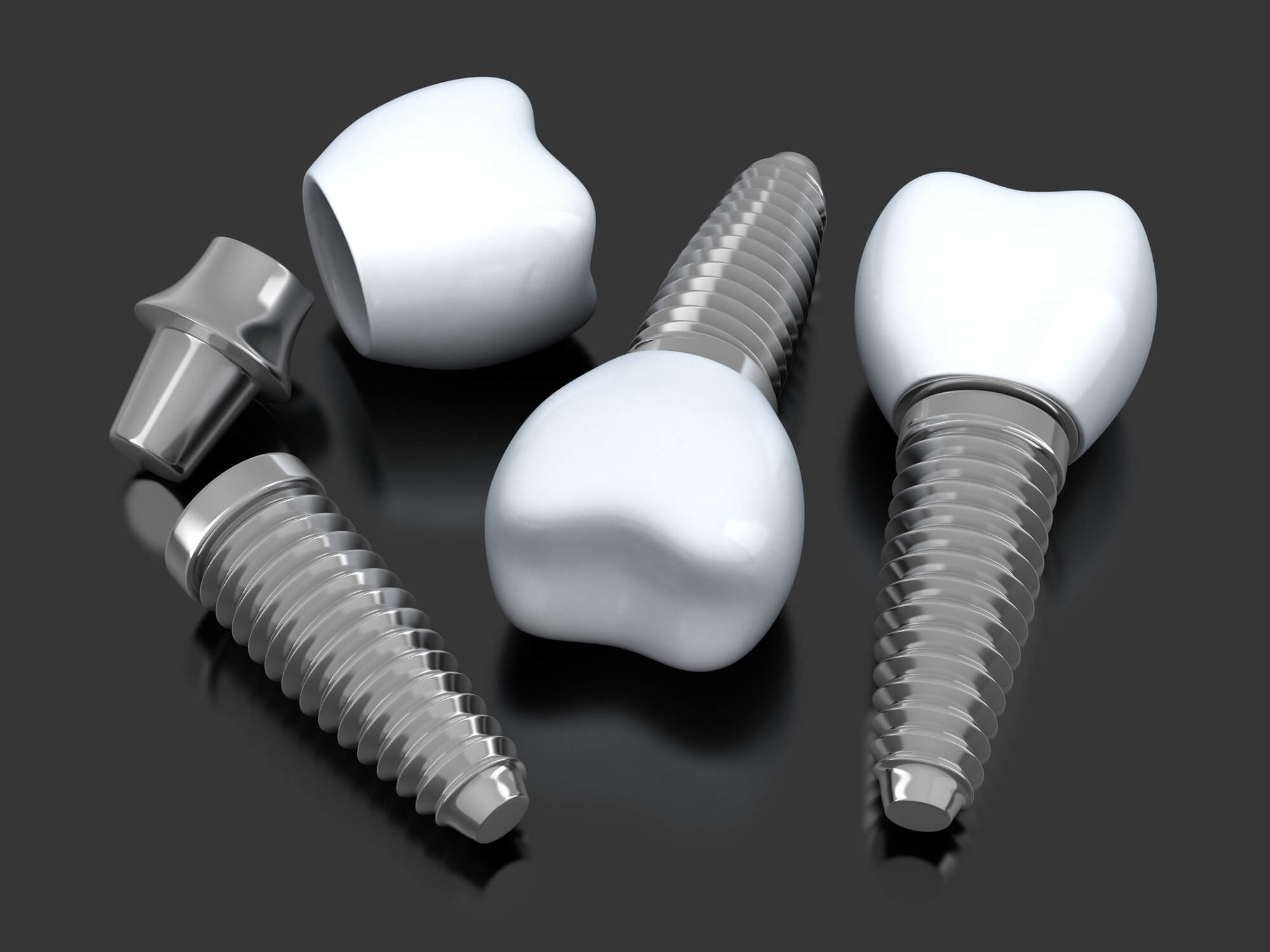
A dental implant has three parts: a titanium post (the root), an abutment connector, and a porcelain crown. Together they create a replacement tooth that looks, feels, and functions like the one you lost. Unlike dentures, implants fuse with your jawbone, so they don't slip, click, or require adhesive.
If you've been told you have a missing tooth, you've probably heard the word "implant" more than once. But what exactly goes into your jaw, how long does the process take, and is it really worth it? In our West New York practice, we field these questions every week. This guide covers everything you need to know before your first consultation.
According to the American Academy of Implant Dentistry, approximately 178 million Americans are missing at least one tooth, and dental implants have become the gold standard for replacing them. With a long-term success rate that consistently exceeds 95 percent in peer-reviewed research, implants outperform every alternative for durability and bone preservation.

How a Dental Implant Actually Works
Most people picture a dental implant as a fake tooth. In reality, it's a complete replacement system built in three layers, each with a distinct job.
The implant post (your new root)
This is a small, threaded cylinder made of medical-grade titanium. Dr. Yoel Santiago, who places implants regularly at our Bergenline Avenue office, positions the post precisely in the space where your tooth root once lived. Over the next three to six months, a process called osseointegration occurs: the bone cells grow directly onto the titanium surface and lock it in place. The result is a root substitute that is anchored just as firmly as a natural tooth.
The abutment (the connector)
Once osseointegration is complete, a small connector piece called an abutment is attached to the top of the post. The abutment sits just above the gumline and serves as the platform your crown will attach to. We typically place abutments in a short appointment, and most patients notice no discomfort during this step.
The crown (the visible tooth)
The final piece is a custom porcelain crown matched to the shade, size, and shape of your surrounding teeth. It snaps or cements onto the abutment. From this point forward, the crown functions exactly like a natural tooth. You brush it, floss around it, and bite with it as you would with any other tooth in your mouth.
One thing that sets implants apart from bridges and dentures: they stimulate the jawbone every time you chew. That stimulation is what prevents bone shrinkage over time. A denture rests on top of the gums and provides no bone stimulation at all, which is why long-term denture wearers often notice their face shape changing over the years.

What to Expect During the Implant Process in West New York
One of the most common questions we hear is: "How long does this take?" The honest answer is that the timeline depends on your starting point, but most patients complete the full process in four to eight months.
Step 1: Consultation and imaging
Your first visit with Dr. Santiago includes a 3D cone-beam CT scan so we can see the exact dimensions of your jawbone, the position of nerves, and the bone density available for the implant post. This step is critical. It lets us plan the placement angle precisely and identify whether a bone graft or sinus lift will be needed before the implant can go in.
Step 2: Implant placement
The surgical appointment is done under local anesthesia, and most patients are surprised by how manageable it is. We make a small incision in the gum, create a precisely sized channel in the bone, and seat the titanium post. The gum is then closed over the post so healing can begin. For patients who experience dental anxiety, we offer sedation options to keep the experience comfortable.
Step 3: Healing and osseointegration
This is the waiting phase, typically three to six months. During this time, the bone is growing around the titanium post. Most patients wear a temporary tooth so there is no visible gap. You can eat normally and go about your daily routine. We see patients for short check-ins during healing to confirm the site is progressing well.
Step 4: Crown placement
Once your implant has fully integrated, we take impressions or a digital scan, send the case to our dental lab, and place your permanent crown at a final appointment. From this point, the implant is part of your smile permanently.
In our practice, we often work with patients from Union City and other Hudson County neighborhoods who have been putting off tooth replacement for years. Many tell us they wished they had started sooner. The longer a gap is left untreated, the more bone shrinks and the harder eventual replacement becomes. If you are curious about whether an implant makes sense for your situation, the best first step is a no-pressure consultation with our team. You can also explore our full dental implant services page for more detail on the procedure options we offer.
Ready to explore your implant options in West New York?
If you are missing a tooth or considering your replacement options, Dr. Yoel Santiago at Veda Family Dentistry would be glad to walk you through the next steps in a no-pressure consultation. We accept most major insurance plans and offer CareCredit and in-house financing for procedures insurance doesn't cover.
Book your consultation on Zocdoc or call us at (201) 559-0807. Our office is at 5405 Bergenline Ave, Suite 1, West New York, NJ.