TL;DR: In the US, a dental crown usually costs about $1,000 to $2,500 per tooth before insurance, with the exact price driven by the material you choose and the work your tooth needs first. Porcelain fused to metal and all ceramic crowns tend to sit in the middle of that range, while gold and zirconia can run higher. The American Dental Association classifies crowns as a major restorative service, so many plans cover roughly 50 percent up to your annual maximum. A well made crown commonly lasts 10 to 15 years or more.
A crown is one of the most common ways to save a damaged tooth, but the price can feel like a moving target. Here is a clear look at what crowns actually cost, what changes the number, and how to make treatment more affordable.
What goes into the price of a dental crown?
A crown is a custom cap that covers a tooth to restore its shape, strength, and appearance. The fee reflects the material, the lab work to fabricate it, and the chair time to prepare the tooth and seat the final restoration. Because each of those pieces varies, two offices can quote different numbers for what sounds like the same crown.
The main factors that change your cost
The biggest variables are the crown material, the position of the tooth, and whether the tooth needs extra work first, such as a buildup, a root canal, or a post. When Dr. Carlos Martin reviews a tooth in our West New York office, we explain exactly which of those steps apply to you, so the estimate you receive matches the treatment you actually need.
How much does a dental crown cost?
Most patients in the US can expect to pay roughly $1,000 to $2,500 for a single crown before insurance, and dense metro areas like northern New Jersey often land at the higher end of that range. The fee typically covers preparing the tooth, the impression or digital scan, a temporary crown, and seating the final crown, but it does not include separate procedures the tooth may require first.

If your tooth needs a core buildup to support the crown, or a root canal before the crown can be placed, those are billed as their own procedures and add to the total. As a general and restorative dentist with over 15 years of experience, Dr. Carlos Martin walks every patient through an itemized plan so there are no surprises when the bill arrives. We would rather you understand the full picture up front than discover an add on later.
One practical tip: when you compare quotes between offices, make sure each one lists the same components. A low number that excludes the buildup, the temporary, or the lab fee is not really a lower price, it just hides part of the cost.
Does insurance cover dental crowns?
Many dental plans treat crowns as a major restorative service and cover about 50 percent of the cost up to your annual maximum, though waiting periods and frequency limits are common. Coverage usually applies only when the crown is medically necessary to restore a broken, decayed, or cracked tooth, not when it is purely cosmetic. Our front desk verifies your benefits before treatment and, for the balance, we can discuss financing options like CareCredit or using FSA and HSA dollars.

What is the best material for a dental crown?
There is no single best crown material, only the best fit for a particular tooth. All ceramic and porcelain crowns look the most natural and are popular for front teeth, while zirconia and metal options offer extra strength for molars that absorb heavy chewing forces. The right choice balances appearance, durability, and your budget.
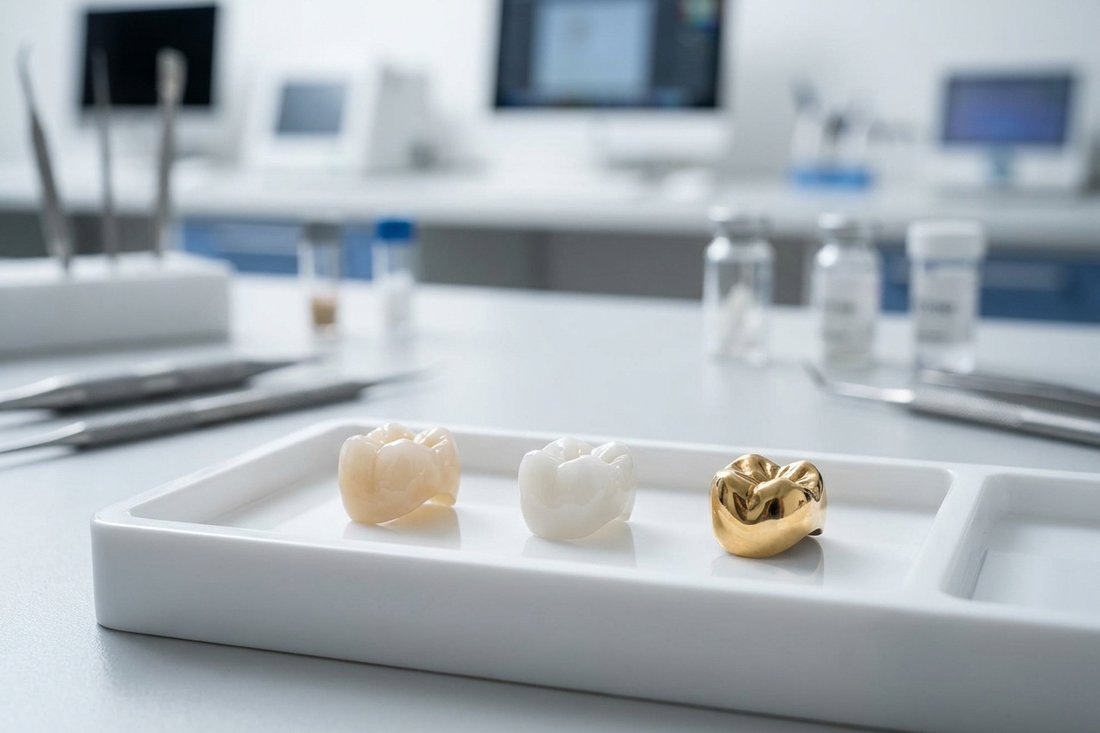
When Dr. Carlos Martin recommends a material, we factor in where the tooth sits, how hard you grind or clench, and how visible the crown will be when you smile. For a back molar that takes a beating, we often favor zirconia or porcelain fused to metal for longevity. For a tooth in the smile zone, we lean toward all ceramic so it blends with the teeth around it. The American Dental Association notes that all of these materials are well established and effective when matched to the right situation.
Material also influences price. Gold and high strength ceramics generally cost more than porcelain fused to metal, which is part of why your quote can shift once we decide together which crown is right for the tooth.
How much more does a same-day crown cost?
Same day crowns, made chairside with CEREC style milling technology, are often priced similar to or modestly higher than traditional lab made crowns, with any difference typically falling within a few hundred dollars. You are paying for the convenience of finishing in one visit rather than two, which means no second appointment and no temporary crown to manage in between. Whether the value is worth it depends on the tooth and your schedule, and we are happy to lay out both paths so you can choose. Either way, Dr. Carlos Martin gives you a written estimate before any work begins.
Get a clear crown estimate in West New York
Find out what your crown will actually cost
The only way to know your real price is an exam. At Veda Dental Aesthetics in West New York, Dr. Carlos Martin will assess your tooth, recommend the right material, and give you an itemized plan with your insurance applied. Call (201) 223-4444 or book online today. Hablamos Espanol.