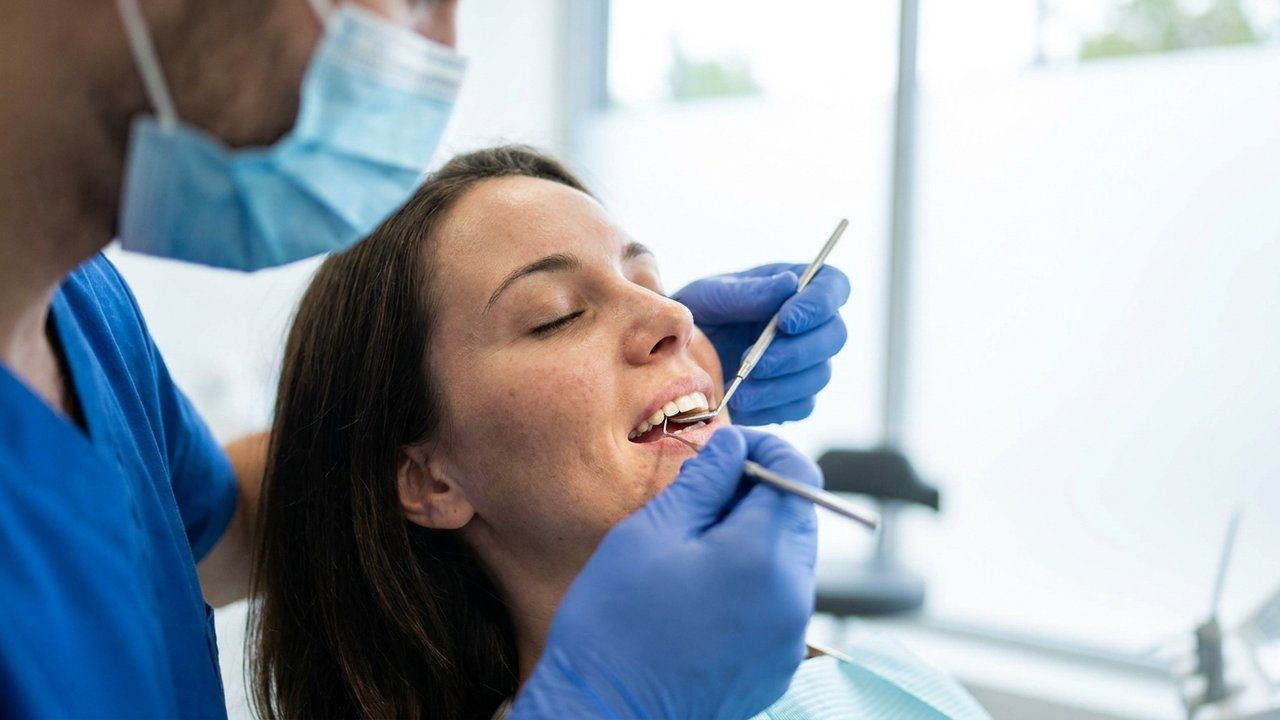
TL;DR: Gum disease starts as gingivitis, which causes red, swollen, and bleeding gums and is fully reversible with good hygiene and a professional cleaning. If it advances to periodontitis, the bone and tissue loss becomes permanent and can only be managed, not cured. The CDC reports that about 42 percent of US adults aged 30 and older have periodontitis, so catching the early signs matters.
Healthy gums should not bleed when you brush. If yours do, it is worth understanding what stage of gum disease you might be in and what can be done about it.
What is gum disease?
Gum disease is an infection of the tissues that hold your teeth in place, caused by plaque and tartar building up along and under the gumline. It is one of the leading causes of tooth loss in adults, yet in its early stage it is also one of the most preventable and treatable conditions in dentistry.
Why it matters beyond your mouth
Research from the American Academy of Periodontology and the American Heart Association links gum disease to higher risks of heart disease, stroke, and harder to control diabetes. Treating your gums is part of protecting your overall health.

What are the signs and stages of gum disease?
The earliest warning signs are gums that look red or puffy and bleed when you brush or floss, often along with persistent bad breath. At this stage, called gingivitis, the damage has not yet reached the bone.
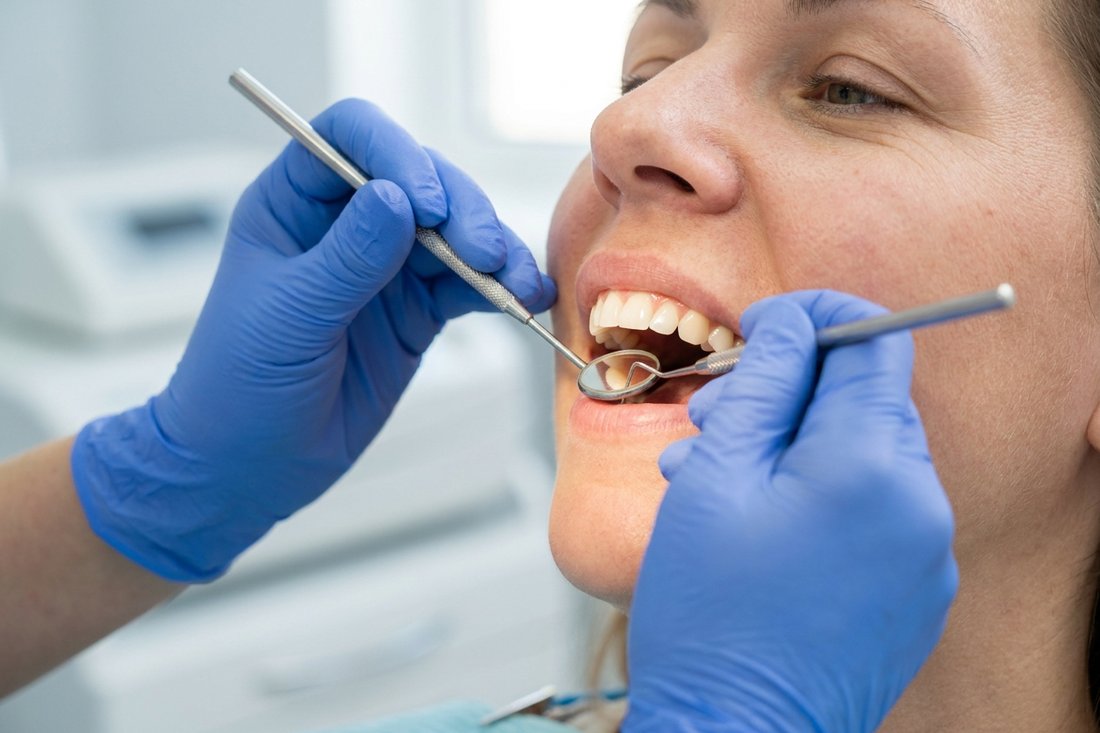
If gingivitis is left untreated, it can progress to periodontitis, where the gums pull away from the teeth and form pockets, the supporting bone begins to break down, and teeth may feel loose or shift. Receding gums and changes in how your teeth fit together are common signs of this more advanced stage.
Is gum disease reversible?
Gingivitis is fully reversible with consistent brushing, daily flossing, and a professional cleaning. Once it becomes periodontitis, the lost bone and attachment cannot grow back, but treatment can stop the disease from getting worse and protect the teeth you still have.

How is gum disease treated?
For early gingivitis, a standard professional cleaning plus better home care is usually enough to return your gums to health. The key is removing the plaque and tartar that brushing alone cannot reach.

When the disease has advanced, the most common treatment is a deep cleaning called scaling and root planing, which removes bacteria and tartar from below the gumline and smooths the roots so the gums can reattach. Severe cases may need periodontal procedures, and ongoing maintenance cleanings help keep the infection from returning.
How can I prevent gum disease?
Brush twice a day, floss daily, avoid tobacco, and keep regular dental visits so any early changes are caught and reversed before they cause lasting damage. Simple, consistent habits are the most effective protection there is.
Protect your gums at Veda Dental Aesthetics
Bleeding gums? Schedule a checkup
If your gums bleed, feel tender, or have started to recede, do not wait for it to get worse. Our team in West New York will assess your gum health and build a treatment plan to get you back on track. Call (201) 223-4444 or book online today. Hablamos Espanol.