
TL;DR: Veneers do not ruin healthy teeth when they are planned and placed correctly, but traditional porcelain veneers do require removing a thin layer of enamel, usually about 0.5 millimeters, which does not grow back. That makes most porcelain veneers a permanent commitment, while minimal prep and composite options can be more conservative. You can still get cavities at the edges of a veneer, so good hygiene matters just as much as before.
It is a fair and important question, and the answer depends entirely on how the case is done and who is doing it. Here is what actually happens to your natural teeth when you get veneers, and how a careful approach protects them.
What veneers do to your natural teeth
A veneer covers the visible front surface of a tooth, so for the shell to sit flush and look natural, a small amount of enamel is usually shaped away first. The American Academy of Cosmetic Dentistry (AACD) notes that the goal of good cosmetic dentistry is the most conservative preparation that still delivers a natural, durable result.
Conservative prep is the key
In our West New York office, Dr. Gladys Mota prepares teeth as conservatively as the case allows, because preserving healthy tooth structure protects you for the long term. With more than 20 years designing smiles, Dr. Mota will tell you honestly when a no prep or minimal prep option is realistic and when traditional prep is needed for the result you want.
Do veneers ruin your natural teeth?
No, veneers do not ruin healthy teeth when they are properly planned, prepared, and bonded by an experienced dentist. The concern people have usually comes from cases where too much enamel was removed or veneers were placed over unhealthy teeth. When the foundation is healthy and the prep is conservative, a veneer actually protects and reinforces the tooth it covers.
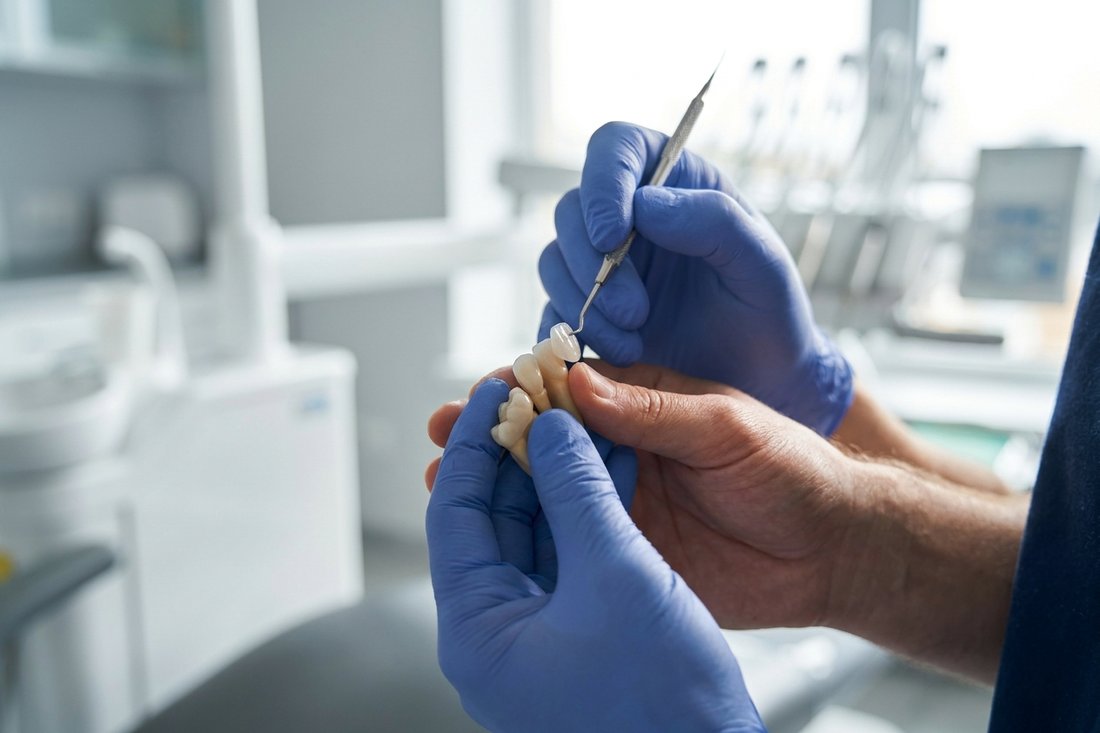
The honest caveat is that the small amount of enamel removed for traditional porcelain veneers does not regenerate. That is why Dr. Mota starts every cosmetic case with a full exam to confirm your teeth and gums are healthy enough, and why we never veneer a tooth that needs treatment first. Doing it in the right order is what keeps your teeth safe.
Are veneers permanent?
Traditional porcelain veneers are considered a permanent treatment because the enamel removed to place them cannot be restored, which means the teeth will always need some form of covering going forward. Composite and no prep veneers can be more conservative and sometimes reversible. In our practice, Dr. Mota walks you through which category your case falls into before you commit, so there are no surprises.

Can you get cavities under veneers?
Yes, you can still get cavities, but not under a well bonded veneer itself. Decay typically starts at the margin where the veneer meets your natural tooth near the gumline, especially if plaque builds up there. The ADA stresses that veneers do not replace daily care, so brushing twice a day, flossing, and keeping regular cleanings is essential to protect the tooth underneath.

This is something Dr. Mota emphasizes with every cosmetic patient: a veneer covers the front of the tooth, not the whole tooth, so the rest still needs the same attention it always did. We schedule routine checkups so we can catch any issue at the edges early, long before it threatens the veneer or the tooth.
Can veneers be removed or reversed?
It depends on the type. Because traditional porcelain veneers involve removing enamel, the teeth cannot simply return to their original state, so removing a veneer means replacing it with a new restoration. Composite and no prep veneers are generally more reversible. When you consult with Dr. Mota, she explains exactly how permanent your specific plan is, so you can make the decision with full information.
Get an honest veneers consultation in West New York
Find out if veneers are right for your teeth
The best way to protect your smile is a thorough cosmetic exam before any treatment. At Veda Dental Aesthetics in West New York, Dr. Gladys Mota will assess your teeth, explain the most conservative options, and tell you honestly whether veneers are the right choice for you. Call (201) 223-4444 or book online today. Hablamos Espanol.