
TL;DR: A dental bridge typically costs about $2,000 to $5,000 and can be completed in a few weeks, while a single implant runs roughly $3,000 to $6,000 and takes several months but does not require grinding down healthy neighboring teeth. Implants generally last longer, often decades, and the American Academy of Implant Dentistry reports implant success rates above 95 percent. Bridges cost less up front but usually need replacing every 5 to 15 years. The best choice depends on your bone health, your budget, and the teeth around the gap.
When you lose a tooth, the two most common replacements are a bridge and an implant. They solve the same problem in very different ways, so understanding the trade-offs helps you choose with confidence.
How a bridge and an implant differ
A bridge fills the gap by anchoring a false tooth to the two teeth on either side, which must be shaped down to hold the crowns that support it. An implant replaces the missing tooth at the root with a titanium post placed in the jaw, topped by a crown, and it does not touch the neighboring teeth.
Why the difference matters
As an implant specialist with over 15 years of placing implants, Dr. Yoel Santiago often points out that the biggest long term difference is what happens to the bone. An implant stimulates the jawbone the way a natural root does, which helps preserve bone, while a bridge does not, so bone under the gap can gradually shrink over the years.

Is a bridge cheaper than an implant?
Yes, a dental bridge is usually cheaper up front than an implant. A traditional three unit bridge commonly costs about $2,000 to $5,000, while a single implant with its crown typically runs $3,000 to $6,000 in the US, and dense metro areas like northern New Jersey often land at the higher end. So the bridge tends to be the lower initial investment.

The picture shifts when you look at the long term. Bridges usually need to be replaced every 5 to 15 years, and each replacement is another fee, while an implant post is designed to last for decades. When Dr. Yoel Santiago reviews your options in our West New York office, we walk through both the up front cost and the likely cost over 10 or 20 years, because the cheaper option today is not always the cheaper option over time.
Insurance also plays a role. Many plans cover a larger share of a bridge than an implant, since some still classify implants as a separate category, so we verify your specific benefits before you decide.
Which lasts longer, a bridge or an implant?
An implant generally lasts longer than a bridge. The titanium post is built to last for decades and often a lifetime, while the visible crown may need replacing every 15 to 20 years from normal wear. A bridge, by contrast, typically lasts 5 to 15 years before the supporting teeth or the bridge itself need attention. The American Academy of Implant Dentistry reports implant success rates above 95 percent, which is part of why Dr. Yoel Santiago favors implants for patients with healthy bone who want the most durable solution.

Is a dental bridge or implant better?
Neither option is better for everyone, the right choice depends on your situation. An implant is often the stronger long term choice because it preserves bone and leaves the neighboring teeth untouched, but it requires enough healthy bone and a few months of healing. A bridge can be the better fit when you need a faster result, when the adjacent teeth already need crowns, or when bone loss makes an implant more complex.
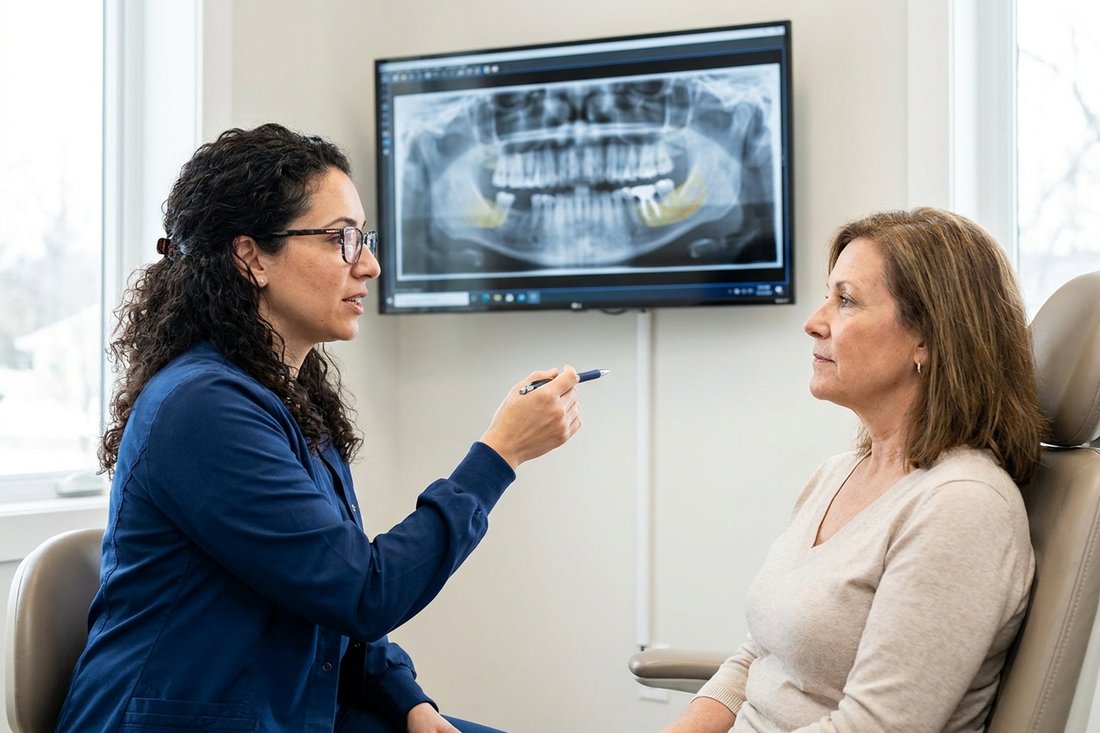
When Dr. Yoel Santiago sees you for a consultation, we first assess your goals, your bone health, and the condition of the teeth around the gap, then explain which options you are a candidate for and how each aligns with your long term oral health. As an ICOI and AAIP affiliated implant specialist, he can also tell you whether a bone graft would make an implant possible if your bone is currently too thin. The goal is an honest recommendation, not a one size fits all answer.
For many patients, the decision comes down to time horizon and the health of the neighboring teeth. If those teeth are perfectly healthy, most people prefer not to grind them down for a bridge, which tips the scale toward an implant.
What are the downsides of a dental bridge?
The main downsides of a dental bridge are that it requires shaping down the two healthy teeth beside the gap, it does not stop the bone loss that happens under a missing tooth, and it usually needs replacing every 5 to 15 years. The supporting teeth can also be at higher risk of decay over time if cleaning under the bridge is not kept up. None of this means a bridge is a poor choice, it simply means we want you to weigh it against an implant, and Dr. Yoel Santiago will lay out both clearly so you can decide what fits your life and budget.
Compare your tooth replacement options in West New York
Find out whether a bridge or implant is right for you
The best way to choose is a personalized exam. At Veda Dental Aesthetics in West New York, Dr. Yoel Santiago will review your bone health and the teeth around the gap, then give you a clear, itemized comparison of a bridge versus an implant. Call (201) 223-4444 or book online today. Hablamos Espanol.